Awakening To Spring: A Painter's Guide to Color & Value
“Art without color would lose much of its purpose"
- Andrew Loomis
Introduction:
Step into the vibrant renewal of spring with this thoughtful guide by Elizabeth Bygler, where color and value take center stage in the creative process. As nature reawakens with fresh hues and energy, this post explores how artists can balance the excitement of color with the discipline of strong foundational structure—helping you create work that is both expressive and grounded.
Balancing Color, Value, and Composition for Stronger Spring Paintings! 🎨
Hi Fellow Artists,
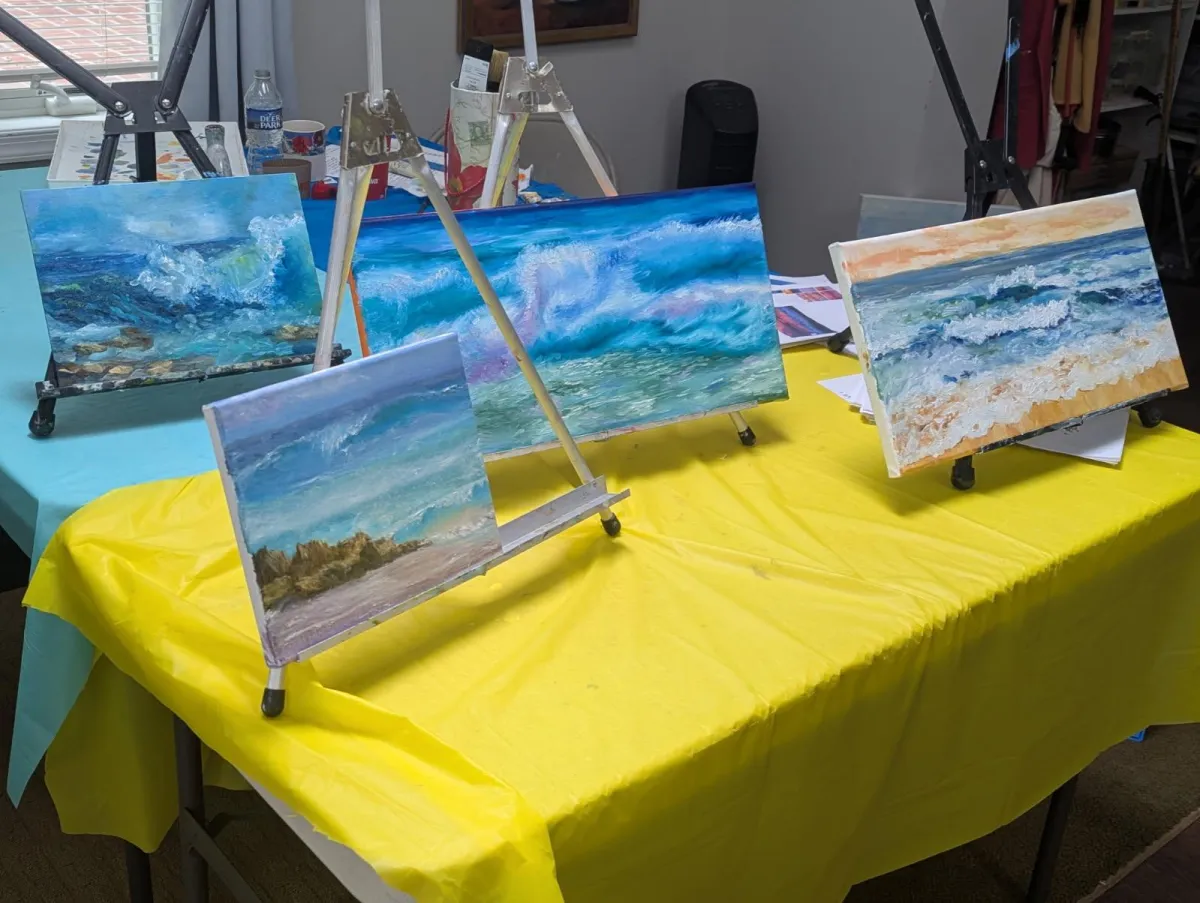
Spring is finally here, revealing its beautiful colors. Trees are blooming, and daffodils, azaleas, and other seasonal flowers are beginning to appear—clear signs of a new season. It’s time for us to start thinking in color again, rather than just light and dark.
This is the perfect moment to bring out your outdoor easels and equipment and take in the spectacular displays nature has to offer. While color is exciting and rewarding to explore, it’s important to remember that strong artwork still depends on structure. Even with all this vibrant beauty, we must stay grounded in the fundamentals.
Start with a sketch. Establish your values and composition first—this will serve as the foundation for your painting or drawing. Then, take a closer look at the colorful elements. Study each flower and tree individually, and consider doing a few black-and-white sketches to better understand value relationships.
Next, determine the depth within your composition and how each element fits together. It’s easy to lose sight of the whole when individual parts compete for attention, so focus on maintaining balance throughout your work.
As you move into color, think carefully about your palette. Remember how colors behave with distance—tones become less intense, blues become more dominant, and yellows begin to fade. This is why distant mountains rarely appear yellow.
At this stage, create a rough color sketch to guide your final piece.
Most importantly, enjoy the process. Spring is a wonderful time for artists to step out of the quiet of winter and reconnect with the richness of the natural world.
For those who love working with color, consider this insight from Albert Handel:
“You do not have to worry about putting different colors in the same subject, as long as the values are the same.”
Try applying this idea to areas like tree trunks—introducing subtle color variation instead of relying on a single tone. You may be surprised by the added energy and life it brings to your work.
As always, have fun and be colorful.
-By Elizabeth Bygler